
Fresh vs kibble dog food
Fresh subscriptions promise better ingredients; kibble promises a lower feed bill and zero fuss. Both can feed a dog well. This guide compares the two formats on things you can measure: our published scores, editorial cost estimates and the day-to-day practicalities.
Reviewed by Dr Chris Wolmarans BVSc
Veterinary reviewer, diet and health claimsIndependent scoringUpdated August 2026Not veterinary advice
| Measure | FreshLyka | KibbleBlack Hawk |
|---|---|---|
| Our score | 87 out of 100 | 76 out of 100 |
| Est. cost per day | $2.68-$2.98 | $2.10-$2.50 |
| How you buy it | Subscription, delivered frozen | Bags, from pet stores to supermarkets |
| Retailers we track that stock it | 0 of 10 | 9 of 10 |
The formats
What each format actually is
Two ways of making the same thing: a dog's daily meal. Both are specified below on the same four measures, so the trade-off is visible rather than argued.
Fresh, gently cooked
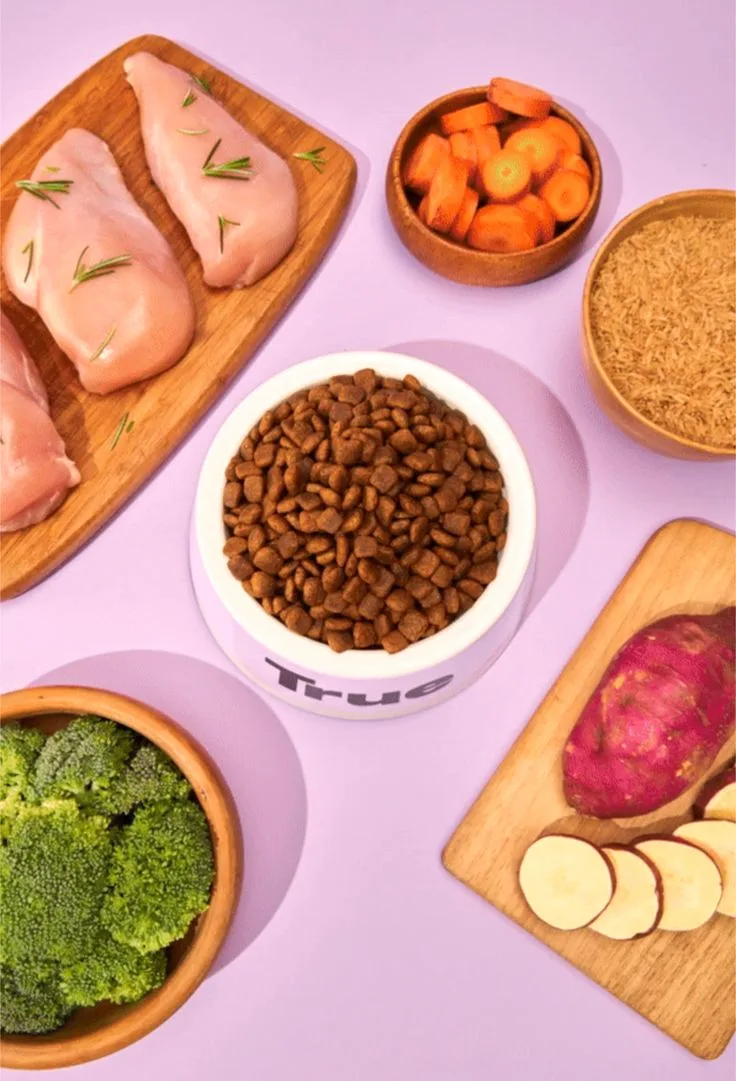
Lightly cooked meals made from human-grade ingredients, sold by subscription, delivered frozen and portioned to your dog. High moisture, short storage life, premium price. In our index the benchmark is Lyka at 87/100, the highest score we have published.
- Cooking
- Gently cooked
- Moisture
- Served wet
- Once opened
- A few days once thawed
- Benchmark price tier
- Super-premium
Dry kibble
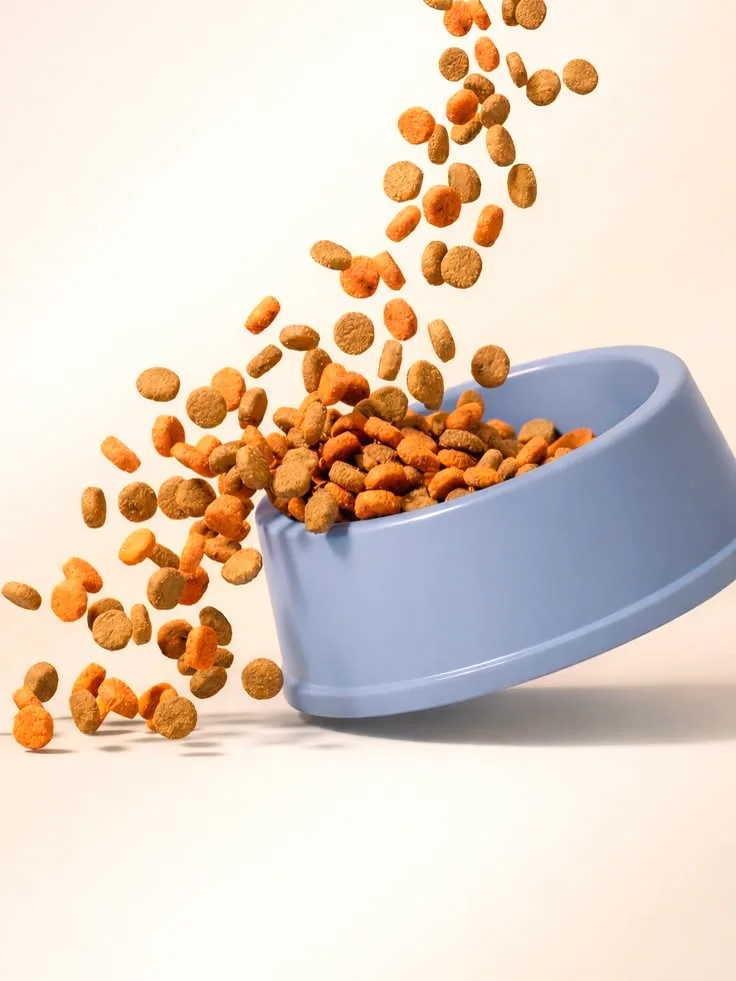
Extruded dry food cooked at high temperature into shelf-stable pellets, and the way most Australian dogs are fed. Bought in bags, stored in a container, available from pet stores to supermarkets, at prices from budget to premium. Black Hawk (76/100) is a typical premium-mainstream example.
- Cooking
- Extruded at high temperature
- Moisture
- Dried for shelf life
- Once opened
- Weeks in a sealed container
- Benchmark price tier
- Premium
In between the two sit air-dried, freeze-dried and raw formats. We map those in our best fresh dog food in Australia guide.
What the scores show
Where fresh genuinely differs
Ingredient quality, processing and transparency are where the formats separate in our data: fresh recipes lead with named human-grade meats and skip high-temperature extrusion, while kibble panels vary far more by brand. The table below prints the whole scorecard rather than the flattering half of it. Of the 6 pillars we publish, the fresh benchmark leads 4 and the kibble benchmark leads 2.
Scoring pillar
Every pillar is published out of 100. The points figure beside it is what that pillar is worth in the overall score.
Fresh

Lyka
87 out of 100OverallKibble

Black Hawk
76 out of 100OverallPrice & Value
25 points · Kibble leads
Fresh
Kibble
Ingredient Quality
25 points · Fresh leads
Fresh
Kibble
Nutrition & Suitability
20 points · Fresh leads
Fresh
Kibble
Transparency
15 points · Fresh leads
Fresh
Kibble
Availability & Convenience
10 points · Kibble leads
Fresh
Kibble
Customer Sentiment
5 points · Fresh leads
Fresh
Kibble
Format does not decide everything, though. Scratch, a kibble subscription, posts the highest transparency score in our entire index (95/100) by publishing the exact percentage of every ingredient. A well-chosen kibble can out-disclose a fresh food; judge the brand, not just the format.
Transparency, out of 100
The most transparent label here belongs to a kibble
Transparency carries 15 of the 100 points in our overall score. Plotted for the five brands compared in this guide, highest first.
| Brand | Transparency score | Detail |
|---|---|---|
| Scratch | 95 | Kibble subscription |
| Lyka | 91 | Fresh subscription |
| SavourLife | 76 | Kibble |
| Black Hawk | 74 | Kibble |
| Meals for Mutts | 72 | Kibble |
Dog Food Reviews scoring
The other side of the ledger
Where kibble wins
Four practical advantages that hold whatever the ingredient panel says, and between them they are why kibble is the way most Australian dogs are fed.
Cost per day
At our 15kg benchmark, Black Hawk works out around $2.10-$2.50 a day and SavourLife around $2.00-$2.30, against $2.68-$2.98 for Lyka. Fresh pricing also scales with weight faster, so the gap grows with the dog. All editorial estimates.
Convenience
Scoop, pour, done. No thawing schedule, no insulated boxes, no subscription cadence to manage, and it travels anywhere without a freezer.
Shelf life
An opened bag keeps for weeks in a sealed container. Fresh meals occupy the freezer and last a few days once thawed in the fridge.
Availability
Black Hawk scores 83/100 on availability, stocked across the major pet retailers; Lyka scores 62/100 because it is subscription-only. When you run low on a Sunday night, the difference is real. See our best dog food in Australia ranking for the strongest kibble panels.
Strong kibble picks by score
Est. cost/day
The numbers
Cost per day: fresh vs premium vs value kibble
A single headline price hides the spread, so this is every recipe we have priced for these five brands: the cheapest, the middle and the dearest, on one shared scale.
Checked· Editorial estimates
Estimated cost per day
What each approach actually costs to feed
Every recipe we have priced for these five brands, 16 in all, at our ~15kg adult benchmark. Rows run cheapest median first.
| Brand | Lowest | Median | Highest |
|---|---|---|---|
| SavourLife | $2.00 | $2.15 | $2.30 |
| Black Hawk | $2.10 | $2.30 | $2.50 |
| Meals for Mutts | $2.60 | $2.88 | $3.15 |
| Lyka | $2.68 | $2.98 | $2.98 |
| Scratch | $3.19 | $3.76 | $4.39 |
Editorial estimates
Licensed stock
- Example brand
- Lyka
- Score
- 87 out of 100
- Est. cost/day*
- $2.68-$2.98
- Review
- Read review
- Example brand
- Meals for Mutts
- Score
- 74 out of 100
- Est. cost/day*
- $2.60-$3.15
- Review
- Read review
- Example brand
- Black Hawk
- Score
- 76 out of 100
- Est. cost/day*
- $2.10-$2.50
- Review
- Read review
- Example brand
- SavourLife
- Score
- 75 out of 100
- Est. cost/day*
- $2.00-$2.30
- Review
- Read review
The honest fit test
Which format suits which dog, and which owner
Neither format wins outright, so the useful question is not which one is better. It is which one fits the dog, the budget and the routine it has to live in.
Fresh may suit you if
- Your dog is fussy or has sensitivities that do better on single-protein, novel-protein recipes
- You want portions calculated to your dog's age, weight and body condition rather than a scoop estimate
- Your dog is small to medium, so the per-day cost stays manageable
- You have freezer space to spare and a steady home routine
- Sourcing transparency matters enough to you to pay a premium for it
Our fresh benchmark
Kibble may suit you if
- You want a predictable, lower feed bill, especially for large or multiple dogs
- Storage simplicity matters: a sealed container beats a dedicated freezer shelf
- You travel, board or share feeding duties, where scoop-and-serve is hard to beat
- You want to buy anywhere, any day, rather than manage a delivery cycle
- Your dog already does well on a complete and balanced kibble with a named meat first
Our kibble benchmark
Hybrid feeding is a legitimate option
This is not an all-or-nothing decision. Many households land on a mix: a complete and balanced kibble as the everyday base with fresh meals a few days a week, or a smaller kibble serve alongside a fresh serve in the same bowl. A hybrid routine captures some of the ingredient upside of fresh at a fraction of the full subscription cost.
Two practical rules keep a mix sensible. First, keep the overall diet complete and balanced: both parts should carry their weight nutritionally, and combined portions need adjusting so calories do not double up. Second, introduce any new food gradually over 7-10 days. If your dog has a health condition, or you are mixing formats to manage one, plan it with your vet. This is general information, not veterinary advice.

Licensed stock
The honest bottom line
A well-chosen kibble at around $2 a day and a fresh plan at several times that can both be good ownership. Pick the format your dog does well on, your budget sustains and your routine can actually keep up with.
“Spending less per day does not make you a lesser owner, and spending more does not by itself make a dog healthier.”
Fresh vs kibble FAQs
5 questions
Neither format wins outright. In our scoring, fresh leads on ingredient quality, gentler processing and moisture, while kibble leads on cost per day, shelf life and availability. A dog can do well on either, provided the food is complete and balanced and portioned correctly. Not veterinary advice.
At our editorial 15kg adult benchmark, Lyka's fresh meals work out at roughly $2.68 to $2.98 a day, against about $2.10 to $2.50 for Black Hawk and $2.00 to $2.30 for SavourLife kibble. The gap widens for bigger dogs, because fresh pricing scales with weight. All figures are editorial estimates, so confirm current pricing before deciding.
Yes. Plenty of owners run a hybrid routine, such as kibble as the everyday base with fresh meals a few days a week, or a fresh serve alongside a smaller kibble serve. Keep the overall diet complete and balanced, adjust portions so calories do not double up, and introduce any change gradually over 7-10 days.
A complete and balanced kibble with a named meat first on the panel is a legitimate everyday choice, not a compromise to apologise for. Spending less per day does not make you a lesser owner. If you want the strongest kibble panels in our index, start with our best dog food in Australia ranking.
Kibble, comfortably. An opened bag keeps for weeks in a sealed container at room temperature, while fresh food lives in the freezer and lasts only a few days once thawed in the fridge. If storage space or an unpredictable routine is a factor, that difference matters as much as price.