
What to try with a fussy dog
Some dogs pick at every meal, walk away, come back an hour later and finish it. Others eat the same food happily for a year and then stop. Those are two different problems, and only one of them is about the food.
Reviewed by Lucinda Woodford
Contributing reviewer, practical feeding and owner experienceIndependent scoringUpdated August 2026Not veterinary advice
Nutrition and health claims on this page, meaning the signs that a change in appetite is a question for a vet and the note on changing food for a puppy, an older dog or a dog on a prescription diet, are reviewed by Dr Chris Wolmarans BVSc.
This guide covers the practical things an owner can adjust at home, and it is clear about the point where the answer stops being a feeding question. Not veterinary advice.
Four things to check before the food
- Routine and timingConsistent points in the day, and a set period the bowl is down for.
- Where the bowl sitsA quieter spot, a bowl that does not skid, and space from other dogs.
- Everything else that goes inTraining rewards, chews, the biscuit at the door, and food from other people.
- How the food is servedServing temperature, and the handling instructions on the pack.
First question
Fussy, or an appetite that has changed
Only one of these is something an owner can work on at home, and this guide is about that one.
A long-standing pattern
A long-standing pattern looks different from a recent change: the dog has always been slow to start, eats eventually and keeps the same energy on walks. Only a vet can tell you whether there is a health reason behind how a dog eats, so raise a long-standing pattern with them rather than assuming it is preference. Where a vet has ruled that out, the practical adjustments below are the things an owner can try.
An appetite that has changed
If a dog who normally eats well goes off food suddenly, or eats less and less across several days, that is a health question and belongs with a vet rather than with a new bag of food. The same applies if reduced eating comes alongside anything else that is new, including weight loss, low energy, vomiting or a change in toilet habits. If your dog seems uncomfortable eating or chewing, that is a question for your vet rather than something to work out at home.
Trying three foods first only delays the appointment.
Lever one
Routine and timing
Routine is one of the few things in this list an owner controls completely.
A vague routine gives a picky dog room to hold out. Feeding at consistent points in the day, in the same order of events, at least makes the week readable, which food appearing whenever someone remembers does not.
A common approach is to put the bowl down, leave it for a set period, then lift it and offer nothing else until the next meal. Free feeding all day makes it very hard to tell what the dog is actually eating, or when, which is the one piece of information a vet will ask for if the question turns out to be a health one.
“A routine you can describe is a routine you can change one piece at a time.”
Lever two
Where the bowl sits, and what it is
Feeding location is easy to overlook, and it is worth checking before you change the food.
Photography licensed for editorial use
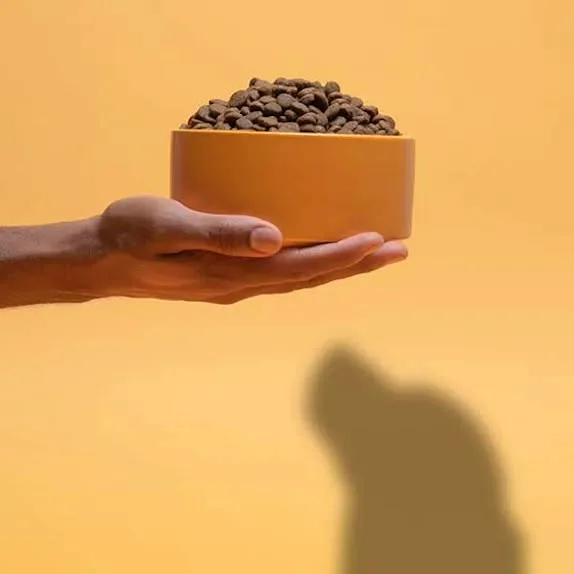
A bowl in a hallway, beside a bin, next to a washing machine or in the middle of household traffic asks a dog to eat while staying alert. A quieter corner, used consistently, removes that. Small physical details are worth checking too: a light metal bowl skidding across tiles, tags clinking against the rim, or a deep narrow dish that a long-eared or flat-faced dog finds awkward to get into.
In a multi-dog household, feeding everyone together can change how each dog eats. One dog bolts, another hangs back and gets labelled fussy when the real issue is that it will not eat with an audience. Feeding dogs separately, in different rooms or at a genuine distance, is a simple test. A mat or a non-slip surface helps older dogs and any dog that braces awkwardly on a slick floor while eating.
Portions and timing across a multi-dog household are their own problem, and feeding routines and portions works through them.
Lever three
Treats, chews and what happens on the walk
Before changing the food, it is worth counting everything else that goes in.
Training rewards, dental chews, a biscuit at the door, whatever gets handed over on a walk, scraps from the kitchen and food from other people in the house all add up quickly, and a dog carrying that load is not fussy so much as full.
Our index prices and scores complete foods, so none of that is inside any figure we publish. It sits entirely outside the cost per day on a brand page and outside the feeding guide on the pack.
The practical fix is to run a plain audit for a few days: write down every item, from every person. One option is to use part of the daily food ration as the reward rather than adding on top of it. How much a particular dog should be getting is a question for your vet, not something to work out from a bowl. If you are weighing what actually goes into the food, our guide on why ingredients matter covers how to read a panel.
The audit, for a few days
- Every training reward, including the small ones
- Dental chews and long-lasting chews
- Anything handed over on a walk
- Scraps from the kitchen bench
- Anything given by other people in the house
The point is not to ban treats. It is to know what the total actually is before deciding the food is the problem.
Lever four
Temperature and texture
Serving temperature changes how strongly a food smells.
Brands commonly suggest serving fresh food closer to room temperature rather than straight from the fridge. Lyka bowls arrive frozen on subscription and need defrost planning and freezer space, and Petzyo’s raw patties come pre-portioned and frozen with the same thaw requirement, so both reward a bit of organisation the night before.
Follow the brand's own storage and handling instructions, do not leave food sitting out, and avoid microwaving, which heats unevenly. Where the freezer side of this is the sticking point, storing fresh dog food covers space, rotation and thaw planning.
If you do change
Changing food without creating a new problem
Buy small before you buy big, and change once rather than repeatedly.
Manufacturers' own feeding guides generally ask for a gradual changeover rather than an overnight switch, so follow the instructions on the pack. How quickly to move, and whether to change at all, is a question for your vet, particularly for puppies, older dogs and any dog on a prescription or vet-recommended diet. The mechanics of the changeover itself are in switching your dog to a new food.
A 20kg bag is a long commitment to an untested preference, and our index carries smaller formats to trial: ZIWI Peak and Frontier Pets air-dried in 1kg, and the Prime100 single-protein roll in 2kg.
Subscriptions need the same care. Lyka is subscription-only and direct, Scratch runs a flexible subscription, and retailers including Petbarn and Pet Circle price their repeat delivery and autoship lower than one-off orders, so check how easily a plan pauses or skips before locking in.

Photography licensed for editorial use
Our dog food finder narrows the field, the price index shows what each option costs to run, and the fresh versus kibble guide covers the format trade-off.
Fussy eater FAQs
4 questions
Look at the pattern rather than the meal. A recent or worsening drop in appetite, or reduced eating alongside weight loss, lethargy, vomiting or changed toilet habits, is a health question for your vet. A long-standing pattern is worth raising with your vet as well, because only a vet can tell you whether there is a health reason behind how a dog eats.
Swapping foods repeatedly makes it harder to tell what your dog is actually responding to. Fix routine, feeding location and treat load first, then change food once, gradually, if a change is still warranted. Talk to your vet before changing the diet of a puppy, an older dog or a dog on a prescription diet.
Brands commonly suggest serving fresh food closer to room temperature rather than straight from the fridge, because a colder meal smells of less. Some air-dried products, including the Frontier Pets range, can be fed dry or rehydrated, so follow the handling instructions on the pack for the product you have. Avoid microwaving, and check anything about added liquid or a change in moisture with your vet.
Usually yes. A large bag is a costly commitment to an unproven preference, and there are smaller formats in our index worth trialling first, including ZIWI Peak and Frontier Pets air-dried at 1kg and the Prime100 single-protein roll at 2kg. Work out the per-kg and per-day cost of the full-size pack before committing, since small packs rarely reflect the running cost.
Who wrote this
This guide is written from the practical side of feeding by Lucinda Woodford, a contributing reviewer who is a dog walker, and who spends a very large amount of time with dogs of different ages, energy levels, temperaments and routines. She holds no veterinary or nutrition qualification. The health-related content in this guide has been reviewed by our veterinary reviewer, Dr Chris Wolmarans BVSc. It is general information and not veterinary advice.